Table of Contents
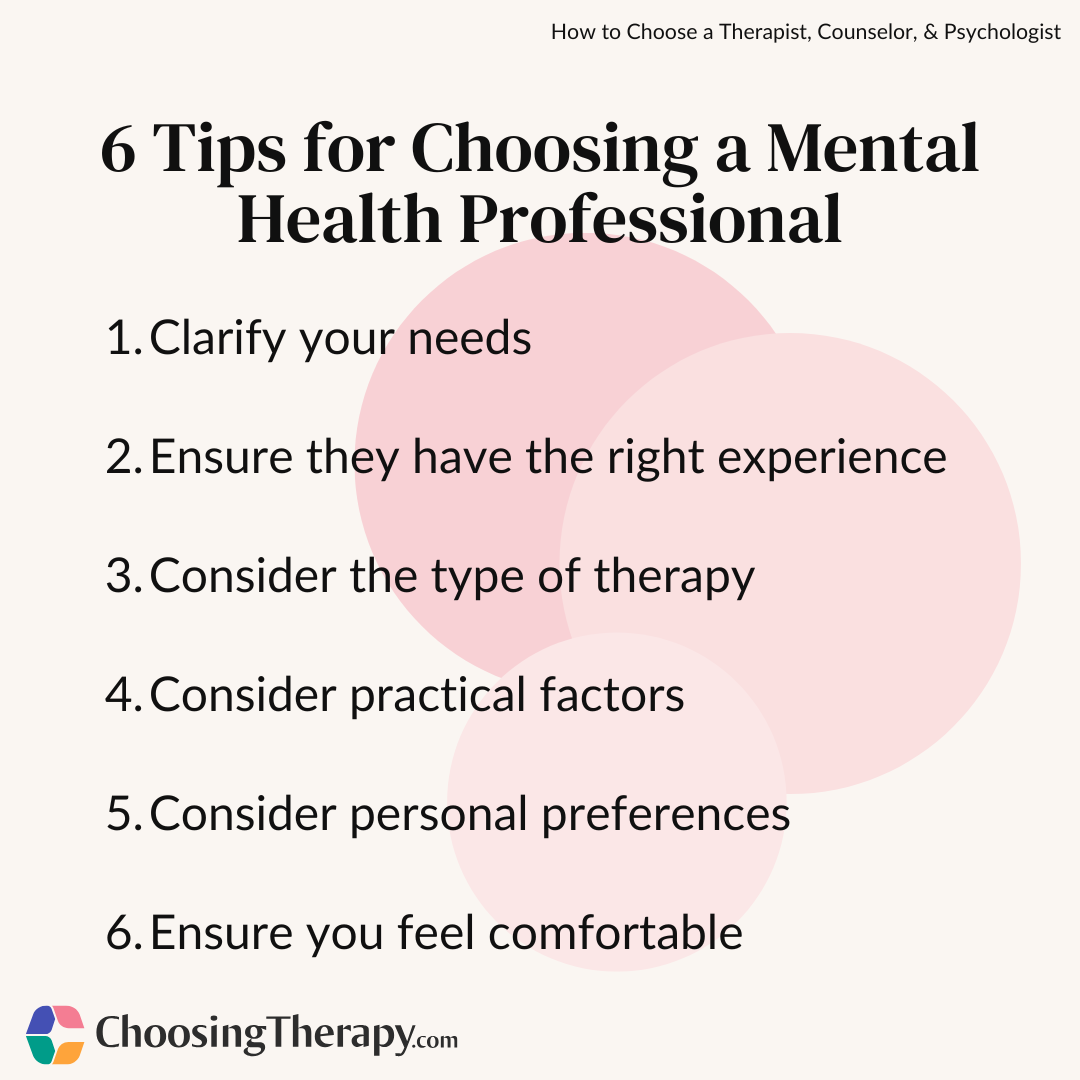
Just as you would certainly see a medical professional for a physical wellness problem, consulting a psychological wellness professional for psychological or mental challenges is a clever, proactive choice. Beyond the research study, treatment provides functional advantages that extend much beyond symptom reduction.
/sc-assets/prd/practices/641edd33-8e4a-4770-9a8b-65731c8026f8/Yellow%20Orange%20and%20Blue%20Soft%20and%20Rounded%20Informational%20Infographic%20_1_.png)
A specialist assists you understand what you're feeling, providing assistance and understanding that can be grounding, especially if you've been carrying points alone for a long period of time. When you're in the center of stress or unpredictability, it can be tough to see the complete photo. Therapists bring an outside point of view that isn't shaped by your past, your connections, or your assumptions of yourself.
Also if you're unclear, attempting therapy does not dedicate you to anything irreversible. Beginning treatment doesn't have to be frustrating or take months.
Your specialist helps you show, make connections, and understand yourself with more quality. Relying on your goals, you may additionally find out dealing skills or techniques to make use of between sessions. The majority of sessions end with a fast check-in to assist you really feel based and gotten ready for the week ahead. That's entirely typical.
Screen Time Impact on Mental Health
CBT concentrates on thoughts and behaviors, DBT supports emotional guideline, and EMDR helps you process injury. Learn more regarding discovering the right treatment modality for you. Your therapist can also assist establish which strategy fits best based upon your goals and preparedness. Weekly sessions prevail, however some people go biweekly or monthly based on their demands and progress.
Signs treatment is starting to work include taking care of challenges much better, feeling even more grounded, comprehending your patterns, communicating even more clearly, and really feeling even more like on your own. Slow progress is still progression. It's okay to switch over. The therapeutic connection is one of the greatest predictors of success. If something really feels off, you can speak to your therapist, or find a person brand-new without shame. You don't need to prepare anything, however believing regarding your goals, feelings, and what's been taking place in your life can be valuable.
Treatment for teenage psychological wellness, clinical depression, teen anxiety, and other difficulties requires time and treatment. Various stages of the recovery procedure may call for various degrees of care. Consequently, it's practical to understand the distinction between inpatient vs. domestic therapy, in addition to inpatient treatment vs. outpatient care. Optimum treatment considers an adolescent's individual demands and background, along with their severity of their diagnosis.
Teens might receive treatment first in an inpatient mental wellness device of a hospital, transfer to a property setup, tip down to an outpatient program, and then receive regular treatment and/or participate in support teams at a neighborhood teen psychological health. Provided all these choices, it can be hard for moms and dads to identify the distinction, let alone recognize what their child requires to recuperate.
Female-Focused Care
Within those categories are extra refined differences. Let's take an appearance at the distinction between inpatient and domestic treatment, in addition to inpatient vs. outpatient psychological health and wellness programs. The primary distinctions between inpatient vs. property treatment are where it happens, the size of stay, and the general therapy goals.
Generally, inpatient therapy is for teens who remain in the severe phase of a mental health and wellness condition and need constant support. Inpatient keeps commonly adhere to a teenager emergency clinic visit for a suicide effort or various other crisis circumstance. Thirty days is generally the optimum time for inpatient teenager psychological wellness therapy.
Collective Growth Power
Some healthcare facilities offer substance abuse treatment. On top of that, a psychological hospital may have a specialized unit for eating conditions. Typically, the objective of inpatient treatment is to stabilize the individual and ensure they are not a threat to themselves or others. Adhering to inpatient therapy, adolescents who call for long-lasting treatment are frequently moved to teen property treatment, in some cases referred to as residential inpatient therapy.
domestic therapy, it's practical to comprehend that domestic therapy concentrates on long-term healing rather than crisis management. Since teenagers remain for one to three months in domestic care, there is even more time to attend to the root creates of psychological wellness and behavior issues. We understand that connecting can be hard.
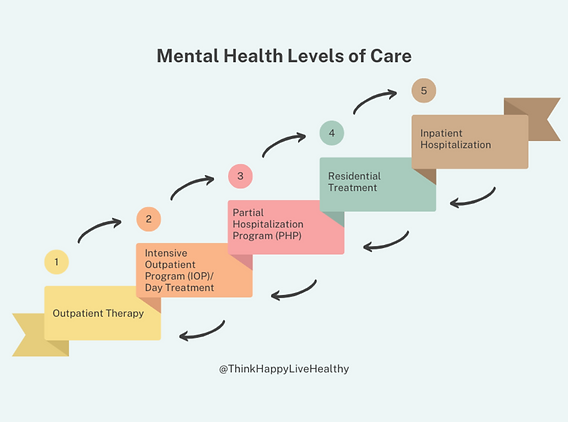
A household routine for teenagers includes scientific treatment, experiential tasks, and academics. While in household therapy, customers reside in a comfy, homelike setting and are overseen by trained staff. Employee consist of psychoanalysts, specialists, therapists, registered nurses, dietitians, and experiential treatment professionals. As we have seen, domestic care is typically the next action in a teenager's recovery trip after inpatient care in a medical facility.
Letting Go Healing in Obsessive-Compulsive Disorder
It's hard for parents to send their child far from home. Nonetheless, the long-term benefits of this choice can be life changing. Research study shows that the framework and recurring assistance of a property program is one of the most efficient means to attain long-term healing from clinical depression, anxiety, trauma, and co-occurring behavioral concerns like chemical abuse and self-harm.
When looking into mental health and wellness alternatives, it's natural to begin the search close to home. Nevertheless, the finest mental health treatment for an individual's particular medical diagnosis and needs might not be readily available locally. Actually, as a result of the current lack of mental wellness providers and therapy programs, the likelihood is that the ideal program won't remain in your instant location.
Interpersonal Perspective informing Obsessive-Compulsive Disorder Work
Within those categories are a lot more refined distinctions. Allow's have a look at the distinction in between inpatient and domestic therapy, in addition to inpatient vs. outpatient mental health and wellness programs. The main distinctions between inpatient vs. property therapy are where it happens, the length of keep, and the general therapy goals.
Normally, inpatient therapy is for teens who are in the intense phase of a psychological wellness problem and need continuous assistance. Thirty days is typically the maximum time for inpatient teenager psychological health and wellness treatment.
Some hospitals provide material abuse treatment. On top of that, a psychiatric health center could have a specific system for eating problems. Normally, the objective of inpatient treatment is to stabilize the person and guarantee they are not a threat to themselves or others. Following inpatient treatment, teenagers that call for long-lasting treatment are commonly moved to teen domestic therapy, occasionally referred to as property inpatient treatment.
domestic treatment, it's helpful to comprehend that domestic therapy concentrates on long-lasting recovery rather than situation monitoring. Because teens stay for one to three months in property treatment, there is more time to deal with the origin of psychological health and behavioral issues. We understand that getting to out can be hard.
Initiating Clinical Family Therapy
A household schedule for teens includes medical treatment, experiential activities, and academics. While in household treatment, clients live in a comfy, homelike setup and are overseen by qualified team. Personnel participants consist of psychiatrists, specialists, counselors, registered nurses, dietitians, and experiential treatment professionals. As we have actually seen, household care is normally the following action in a teen's healing trip after inpatient treatment in a medical facility.
It's hard for parents to send their kid away from home. The long-term benefits of this selection can be life changing. Research study reveals that the structure and ongoing assistance of a residential program is one of the most effective way to accomplish long-lasting recovery from clinical depression, stress and anxiety, injury, and co-occurring behavioral concerns like drug abuse and self-harm.
When looking into mental health choices, it's natural to begin the search close to home. The ideal mental health treatment for an individual's particular medical diagnosis and demands may not be offered in your area.

Navigation
Latest Posts
Cost and Insurance for EMDR
Financial Navigation for Trauma Therapy and Mental Health Care
Distinction Between Dieting and Trauma-Based Food Issues Addressed Through Brainspotting